An amendment to the Employment Rights Bill, namely the day-one protection for unfair dismissal has been blocked by the House of Lords.
A six-month qualifying period has had backing by the house, which would remove the current 2-year period that employees must qualify for to make a claim to a tribunal.
This announcement comes after the recent publication of the Government’s Employment Rights Bill Roadmap.
Lord Sharpe of Epsom, shadow business and trade minister, introduced the amendment (approved by 304 votes to 160) where there would be an established initial period of employment, after the employees first 6 months with their employer. This initial period would be subject to a simplified process and compensation would be capped at a lower rate.
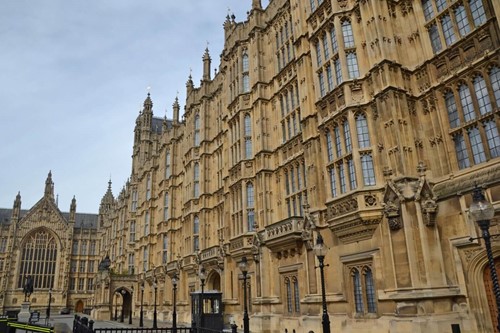
Lord Sharpe commented:
“The Government’s intention to protect workers is commendable. We all agree that fairness, dignity and security at work are essential pillars of a just society. However, the approach taken in this Bill, particularly the changes to unfair dismissal rights and the introduction of a statutory probationary period, is confused and counterproductive.”
What do amendments to the Employment Rights Bill mean for your business?
The Employment Rights Bill is currently being put through the report stage in the House of Lords and any amendments will need to be approved by the House of Commons. This approval process will not likely happen until September.
If Lord Sharpe’s amendment is accepted by the House of Commons, then it could mark a significant U-turn on the Government’s manifesto promises of ensuring workers are protected from unfair dismissal from their first day of employment.
Businesses are still encouraged to tighten up their contracts and documentation in order to ensure they are compliant.
Associate Director of Legal at Croner, Andrew Willis commented:
“The proposed amendment strikes a good balance between respecting workers’ rights and allowing businesses breathing room when assessing a new hire, without running the risk of hefty financial costs should the employee not turn out to be a good fit.”
He added: “As this amendment has yet to be approved by the House of Commons, employers should still seek to review their contracts and documentation in line with the version of the bill as announced in the Employment Rights Bill Roadmap, released at the beginning of July.”
Talk to a Croner Expert Today
Get expert advice on what amendments to The Employment Rights Bill means for your organisation. Talk to a member of Croner’s HR and Employment Law team on the latest updates to employment legislation.
Call today on 0808 501 6650.
If you like this content, you may also like


Building Materials Manufacturer Fined £633,300 After Worker's Legs Crushed Between Metal Frames
Learn more
About the Author

An Employment Law Consultant is happy to help with any complex issue or matter of concern. Katie is confident in providing a best practice or commercial approach to safely reach the required and desirable outcome. Katie has a retail and hospitality background.
Related resources
Categories
- Business Advice
- Culture & Performance
- Disciplinary & Grievances
- Dismissals & Conduct
- Employee Conduct
- Employment Contracts and Documentation
- Employment Law
- Employment Rights Bill
- End of Contract
- Equality & Discrimination
- Health & Safety
- Hiring and Managing
- Leave & Absence
- Managing Health & Safety
- Moving
- Occupational Health
- Pay & Benefits
- Recruitment
- Risk & Welfare