All workplaces have a shared number of health and safety hazards that appear across industries and environments. The main issue a great deal of employers face is that identifying these common risks to health and safety can sometimes be tricky, especially if they’re not glaringly obvious. This can mean, as a result they may get overlooked because of the less obvious nature of the hazard.
Contact a Croner Health and Safety advisor for expert advice on identifying hazards and how to conduct risk assessments to ensure compliance with legislation. Call today on 0808 501 6651.
- Slips, trips and falls
- Fire safety hazards
- Ergonomic hazards
- Hazardous substances
- Manual handling hazards
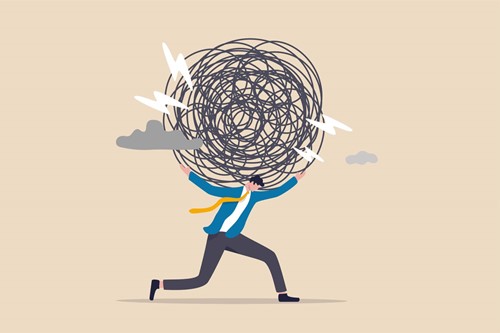
- Stress and poor mental health
What are the most common health and safety hazards in the workplace?
Outlined below are some of the most prevalent health and safety hazards found in working environments.
Slips, trips and falls
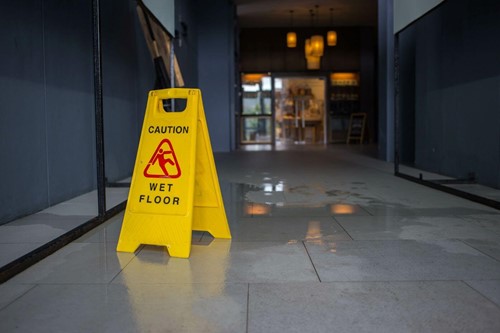
Computer cabling, spilt drinks or freshly mopped floors, these are all examples of slip, trip and fall hazards. They appear universally across most workplaces, from offices to construction sites and accounted for 31% of all non-fatal workplace injuries in 2023/2024.
Fire safety hazards
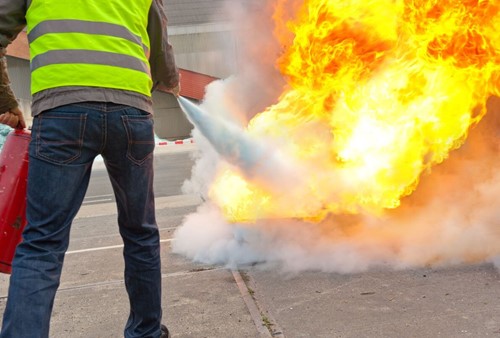
Fire safety is an absolute must for any business, however of 49,835 fire safety audits conducted year ending March 2024 only 58% had a satisfactory outcome. This was the lowest proportion of recorded satisfactory ratings since March 2011, indicating that despite the importance of fire safety, there were a large proportion of business that failed to ensure compliance with Fire Safety Regulations.
Ergonomic hazards
Ergonomic hazards include those associated with long periods of being sedentary, such as sitting down for extended periods of time. These hazards if not managed correctly can result in musculoskeletal conditions and repetitive strain disorders. For example, not having your computer workstation set up correctly, can not only result in eye strain but also cause lumbar issues due to poor posture, as well as Repetitive Strain Injury (RSI) when repeatedly using peripherals such as a mouse and keyboard.

Hazardous substances
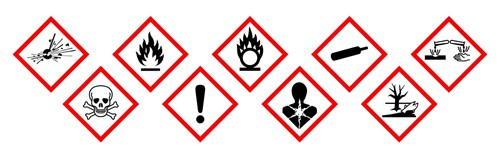
You could be excused for thinking that your business does not deal with any hazardous substances, however, you would probably be wrong. Many organisations deal with these types of substances, without even realising it. An example of this would be everyday sanitation and cleaning products, such as bleach and other specialist cleaning chemicals.
Manual handling hazards
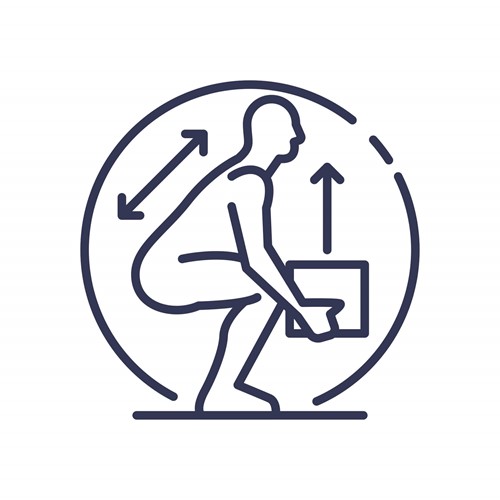
Injuries relating to incorrect lifting technique and poor manual handling training are not just limited to industries such as construction or engineering, where heavy lifting and physical labour is a prerequisite of the job. Injuries due to incorrect manual handing can occur in any setting, including offices. This is why it is important to train employees in correct technique.
Stress and poor mental health
You have a responsibility as an employer to ensure that your employees’ physical and mental wellbeing is a priority, as a result you should conduct a risk assessment to mitigate hazards that could induce unnecessary stressors in the workplace.
Need advice on common health and safety issues?
Call a Croner Health and Safety expert today on 0808 501 6651.
If you like this content, you may also like



About the Author

Chris is the Director of Health and Safety at Croner. Chris is also CMIOSH accredited, an IOSH Mentor and HSE People Champion and has over 20 years working in Health & Safety.

Fiona Burns
Related resources
Categories
- Business Advice
- Culture & Performance
- Disciplinary & Grievances
- Dismissals & Conduct
- Employee Conduct
- Employment Contracts and Documentation
- Employment Law
- Employment Rights Bill
- End of Contract
- Equality & Discrimination
- Health & Safety
- Hiring and Managing
- Leave & Absence
- Managing Health & Safety
- Moving
- Occupational Health
- Pay & Benefits
- Recruitment
- Risk & Welfare