As a business owner you need to know the legalities surrounding withholding payments from employees. This could hypothetically be after a difficult circumstance involving an employee or when potentially experiencing issues when making payments to staff. Regardless, it is important to ensure that you understand the law when it comes to instances such as these, as any mistakes could lead to a breach of contract and a claim being raised by an employee, potentially resulting in a costly employment tribunal.
Talk to a Croner HR and Employment Law expert today and get comprehensive round-the-clock support. Call us today on 01455 858 132.
Read on to better understand the rights of your staff, as well as what rights you as an employer have when withholding payment.
- Can an employer legally withhold pay in the UK?
- When can an employer withhold pay in UK Law?
- Can an employer withhold final pay in the UK?
- Can an employer withhold pay as punishment?
- Can an employer withhold pay after termination in the UK?
- Can an employer withhold pay if staff quits without notice?
- Can an employer withhold holiday pay if staff quit without notice?
- Get expert support from our HR Advisory Team
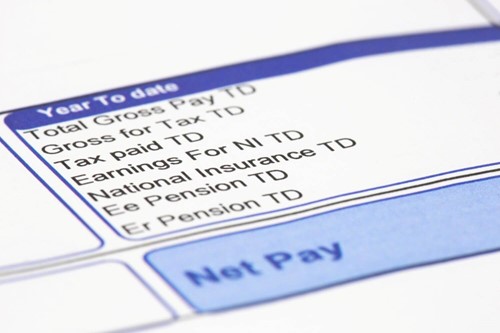
Can an employer legally withhold pay in the UK?
In short, yes, there are some circumstances where employers withholding wages is legal. They are quite specific circumstances, however, and not normally allowing of deductions for anything related to performance or conduct.
The Employment Rights Act 1996 confirms that employees receive full payment of their wages. But statutory authorisation is an example where you can deduct/withhold wages lawfully. This is where you make reductions for National Insurance payments and income tax.
When can an employer withhold pay in UK Law?
Withholding wages laws in the UK allow for a certain set of circumstances where an employer can deduct money from the payment due to the employee. These include:
- When it’s required or allowed by law (National Insurance, income tax or student loan repayments etc.)
- Agreements based on individual circumstances (provided it is legally compliant).
- Written permission in the contract (provided it is legally compliant).
- There’s a statutory payment for a public authority.
- The employee/worker has not worked because of taking part in a strike or industrial action.
- There’s been an earlier overpayment of wages or expenses.
- The result of a court order.
A deduction cannot normally reduce your pay below the National Minimum Wage (NMW) even if you and the employee agree to it. The only times their pay can dip below NMW is:
- From tax or national insurance.
- Something the employee is liable for (a shortfall in a till).
- Repayment of a loan or an advance of wages.
- Repayment of accidental overpayment.
- You provide the employee with accommodation.
- For employee personal use (union subscriptions or pension contributions).
Can an employer withhold final pay in the UK?
Even when dismissing your employees without notice for issues such as gross misconduct, you still need to pay them their wages under employment law.
It entitles an employee to full payment up to the last day of employment or the ‘effective date of termination’, which is the legal name for the date the employee’s dismissal takes effect. It is the last day on which you employ them under the terms of their employment contract. You should also show this date in the dismissal letter alongside the last date for payment.

You should ensure the person leaving understands the calculation of their final payment. For example, it should be clear in the payslip what each payment or deduction is for.
You may owe the employee additional payment to their base salary for the following factors:
- Holiday pay.
- Redundancy pay.
- Sick pay—if they were off sick in their notice period.
- Maternity, paternity, adoption or shared parental leave pay.
Can an employer withhold pay as punishment?
Deductions for job performance and mistakes, unless they have incentives-based contracts, are considered an unlawful deduction of wages.
Deductions should only usually occur in retail environments when there has been a shortfall in till calculations. As mentioned previously, if an employee is liable for something then you can make a deduction.
However, you can’t deduct the total amount. You can also only remove up to 10% of the gross pay per pay period until the amount gets paid back.
Can an employer withhold pay after termination in the UK?
If you end the employment of an employee, and they owe you money, you no longer have a contractual right to remove any money from the employee’s wage.
Withholding pay could lead to an unlawful deduction claim from your employee.
Can an employer withhold pay if staff quits without notice?
An employer withholding pay after quitting would normally count as wage theft in the UK. Employment law still entitles them to payment, just only pay for work they’ve done up to that point.
You may be able to make a court claim against them if you end up with extra costs due to them not working their notice. This doesn’t entitle you to withhold wages by law, you need to claim it back through the court.
Can an employer withhold holiday pay if staff quit without notice?
Even if an employee leaves without working their notice period, they’re still entitled to any money owed for untaken holiday leave. Refusing to do this could result in a tribunal.
This includes outstanding overtime, commission or bonuses and pension contributions up to the termination date. Uphold these factors regardless of an employee working their notice as they are in the terms of employment.
Get expert support from our HR Advisory Team
Don't run the risk of costly legal action when it comes to queries regarding staff payment or deductions.
Contact Croner's professional team of HR and Employment Law experts on 01455 858 132.
If you like this content, you may also like



About the Author

Andrew Willis is the senior manager of the Litigation and Employment Department and assumes additional responsibility for managing Croner’s office based telephone HR advisory teams, who specialise in employment law, HR and commercial legal advice for small & large organisations across the United Kingdom.

@AndrewWillisCGL

Related resources
Categories
- Business Advice
- Culture & Performance
- Disciplinary & Grievances
- Dismissals & Conduct
- Employee Conduct
- Employment Contracts and Documentation
- Employment Law
- Employment Rights Bill
- End of Contract
- Equality & Discrimination
- Health & Safety
- Hiring and Managing
- Leave & Absence
- Managing Health & Safety
- Moving
- Occupational Health
- Pay & Benefits
- Recruitment
- Risk & Welfare